Wildlife Problem? We Can Help.
Humane, professional nuisance wildlife consulting in Southwest Louisiana.

Big Mamou Enterprises
Willow Oak (Quercus phellos)
Willow Oak (Quercus phellos)
Couldn't load pickup availability
Share
Willow Oak (Quercus phellos)
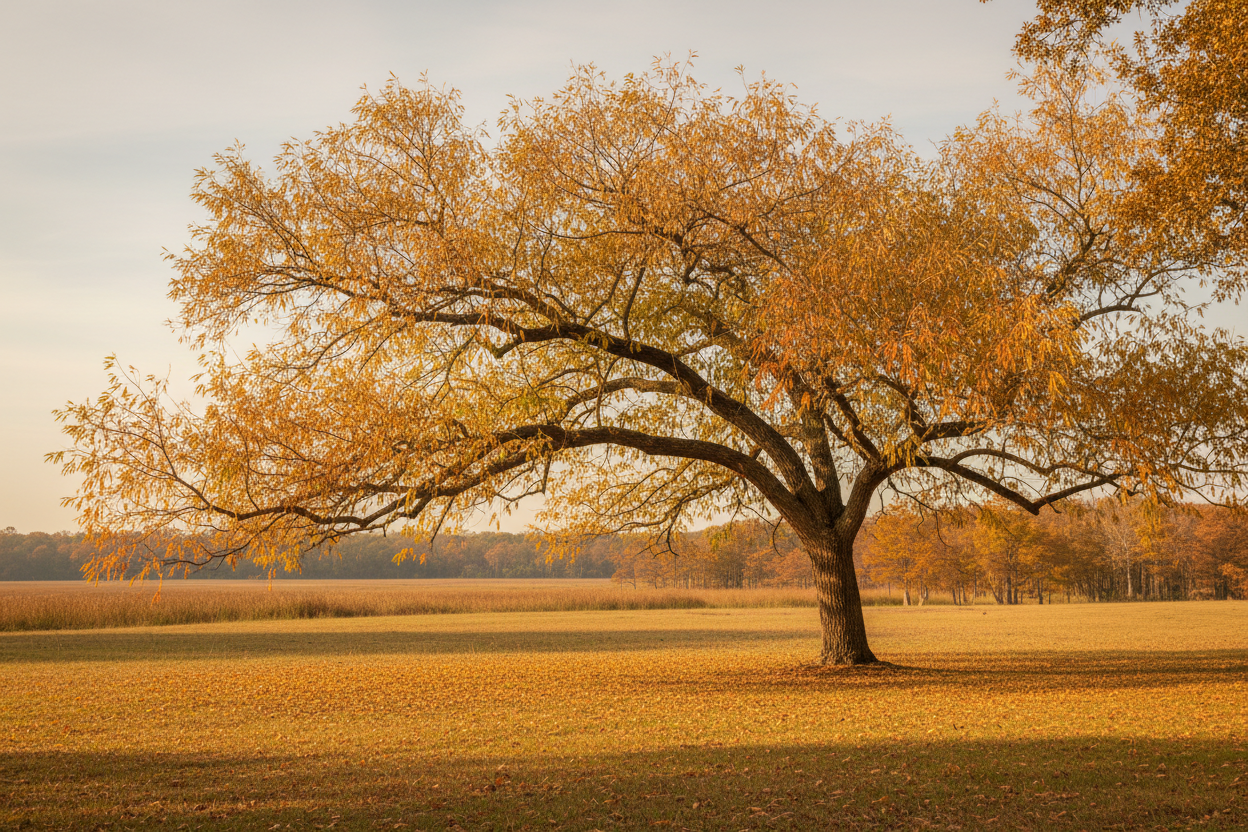
Willow Oak is the most elegant of the Southern native oaks — its narrow, willow-like leaves giving it a fine-textured, almost tropical appearance that is unlike any other oak in the landscape. In autumn, those leaves turn soft shades of yellow and gold before falling to reveal a beautifully structured canopy of graceful, arching branches. It is a tree of extraordinary refinement, and in the Louisiana bayou country, it is one of the most beloved native canopy trees of the urban and suburban landscape.
Botanical Profile
- Family: Fagaceae (Beech family)
- Native Range: Eastern United States from New York to Florida and west to Texas; native to Louisiana's bottomland forests, bayou edges, and moist upland woodlands
- USDA Hardiness Zones: 5–9
- Mature Size: 40–75 feet tall, 30–60 feet wide; pyramidal when young, rounded with age
- Bloom Time: March–April (catkins); small round acorns ripen October–November
- Sun: Full sun to part shade
- Soil: Moist, well-drained to periodically wet; tolerates clay; adaptable to urban conditions
Ecological Role
Willow Oak's small, abundant acorns are a critical food source for Wood Ducks, Mallards, and over 75 bird and mammal species. It supports over 400 species of Lepidoptera caterpillars — the same extraordinary host plant value shared by all native oaks. Its fine-textured canopy provides nesting habitat for songbirds, and its relatively fast growth — for an oak — makes it one of the most practical native canopy trees for the home landscape. It is one of the most widely planted native street trees in the South, valued for its adaptability, beauty, and ecological productivity.
Cultural Heritage
Willow Oak's graceful form made it a favored ornamental tree in the formal gardens of Creole Louisiana, planted along avenues and in plantation landscapes for its elegant silhouette. In the Acadian tradition, its fine-textured shade was prized for the cool, dappled light it cast over the dooryard garden — gentle enough to allow understory plants to thrive beneath its canopy.
In the Living Canopy & Understory
Part of the Jardin — The Living Canopy & Understory collection at Big Mamou Enterprises, Willow Oak is the bayou garden's most elegant canopy tree — refined, graceful, and ecologically generous in every season.