Wildlife Problem? We Can Help.
Humane, professional nuisance wildlife consulting in Southwest Louisiana.

Big Mamou Enterprises
Virginia Willow / Itea (Itea virginica) — Native Louisiana Wetland Shrub
Virginia Willow / Itea (Itea virginica) — Native Louisiana Wetland Shrub
Couldn't load pickup availability
Share
Virginia Willow / Itea (Itea virginica)
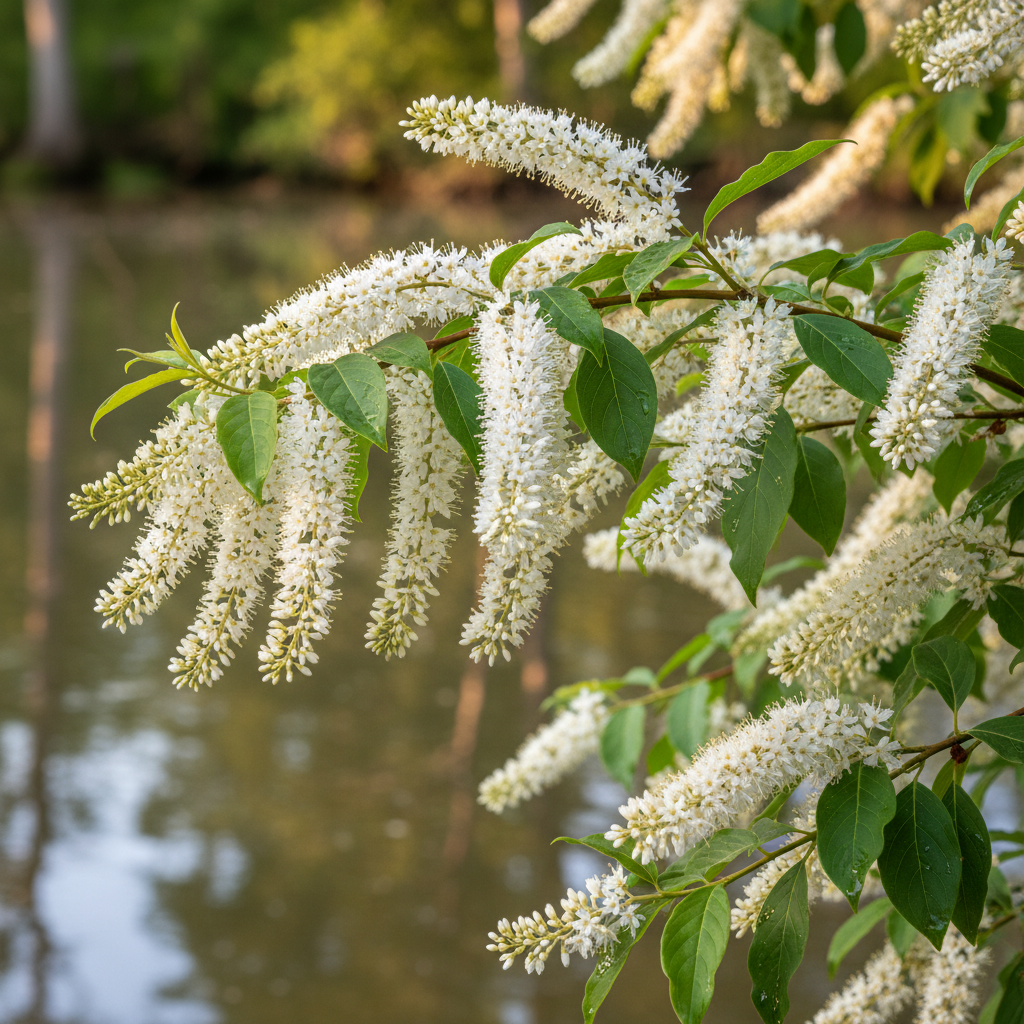
Most ornamental shrubs fail in wet Louisiana soil. Virginia Willow was made for it. A graceful, arching native shrub of bayou margins and wet woodland edges, it produces fragrant white flower spikes in June and July that draw native bees and hummingbirds, then turns brilliant red-orange in fall — some of the most spectacular fall foliage of any native plant in the Gulf South, in the wet spots where most other shrubs have already given up. A four-season plant of exceptional beauty and ecological generosity, deeply underused and long overdue for its moment.
Grown and shipped from Big Mamou Enterprises — Bayou Self, Lake Charles, Louisiana.
Botanical Profile
- Botanical Name: Itea virginica
- Family: Iteaceae (Virginia Willow family)
- Native Range: Eastern United States from New Jersey to Florida and west to Missouri and Texas; native to Louisiana bayou margins, wet woodland edges, and floodplain swales
- USDA Hardiness Zones: 5–9
- Mature Size: 3–5 feet tall; spreads by root suckers into graceful thickets
- Bloom Time: June–July; fragrant white flower spikes
- Sun: Full sun to full shade — one of the most light-adaptable native shrubs available
- Soil: Wet to moist; tolerates standing water, clay, and periodic flooding
- Fall Color: Brilliant red-orange — exceptional in wet areas where few other shrubs perform
Ecological Role
Fragrant flowers are a nectar source for native bees, butterflies, and hummingbirds in summer. Dense thickets provide nesting cover for marsh birds and small mammals. Spreads by root suckers to stabilize bayou banks and prevent erosion. Fall foliage provides brilliant color in wet areas where few other plants perform.
Cajun Heritage & Cultural Use
Known in Cajun tradition as saule de Virginie — Virginia willow — for the arching, willow-like branches that sweep over the bayou margin. In the traiteur tradition, the bark of Itea virginica was used as an astringent wash for skin inflammations and minor wounds, drawing on the tannin-rich properties common to the broader Iteaceae family. The shrub was recognized as a plant of the wet threshold — of the boundary between the garden and the bayou, between the cultivated and the wild. A plant that grew where the water came, and stayed when it left.
In the Cajun Heritage Garden
Part of the Heritage Garden collection at Big Mamou Enterprises. Plant in full sun to full shade in wet to moist soil — rain gardens, pond margins, bayou banks, and any low spot that holds water. Spreads by root suckers — remove unwanted shoots to control spread or allow to naturalize. Prune lightly after bloom. A four-season native shrub that rewards the gardener who gives it wet feet and room to spread.