Wildlife Problem? We Can Help.
Humane, professional nuisance wildlife consulting in Southwest Louisiana.

Big Mamou Enterprises
Broomsedge Bluestem (Andropogon virginicus)
Broomsedge Bluestem (Andropogon virginicus)
Couldn't load pickup availability
Share
Broomsedge Bluestem (Andropogon virginicus)
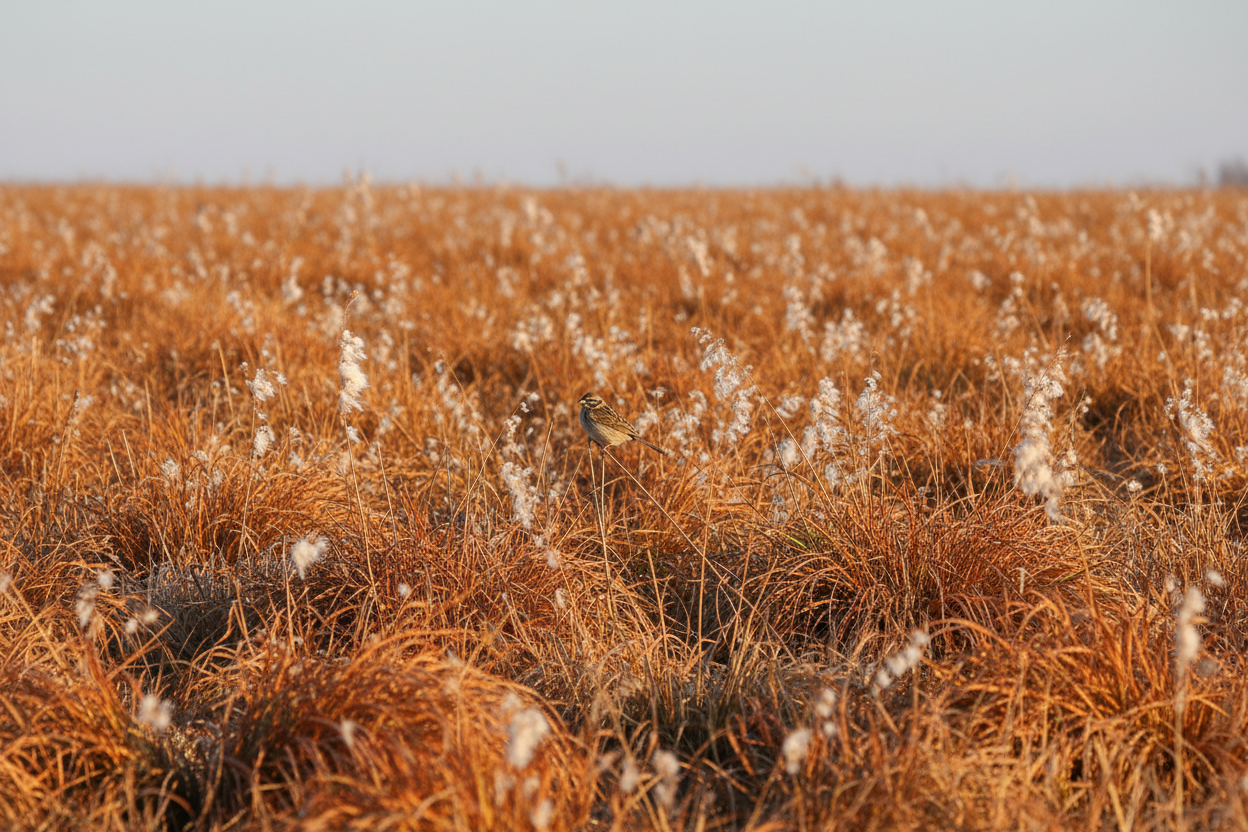
Broomsedge Bluestem is the South's most familiar native grass — the tawny, copper-orange grass that covers old fields, roadsides, and disturbed areas across Louisiana from October through March, its fluffy white seed heads catching the winter light and its warm color glowing against the grey winter sky. It is a pioneer grass, a healer of disturbed land, and one of the most ecologically important native grasses in the Gulf South.
Botanical Profile
- Family: Poaceae (Grass family)
- Native Range: Eastern and central United States from Maine to Florida and west to Kansas and Texas; one of the most abundant native grasses in Louisiana's old fields, roadsides, and disturbed uplands
- USDA Hardiness Zones: 5–10
- Mature Size: 2–3 feet tall
- Bloom/Seed Time: September–November; copper-orange fall color and fluffy white seed heads persist through winter
- Sun: Full sun
- Soil: Adaptable; tolerates poor, dry, sandy, and clay soils; drought-tolerant; a pioneer species that colonizes disturbed areas
Prairie Movement & Ecological Role
Broomsedge Bluestem is a host plant for the Cobweb Skipper, Dusted Skipper, and Swarthy Skipper butterflies. Its fluffy white seed heads are consumed by sparrows, juncos, and finches through winter — particularly Grasshopper Sparrows and Savannah Sparrows, two grassland birds in steep decline that depend on native grass old fields for survival. Its dense clumps provide critical nesting and overwintering cover for ground-nesting birds and beneficial insects. As a pioneer species, it is one of the most effective native grasses for stabilizing disturbed soils and initiating prairie restoration — establishing quickly and creating the conditions for other native plants to follow.
Cultural Heritage
Broomsedge's common name comes from its traditional use as a broom — its stiff stems bundled and used to sweep floors and yards in Cajun and Creole households before commercial brooms were widely available. Its copper-orange winter color is one of the most characteristic sights of the Louisiana rural landscape, covering old fields and fence rows in a warm glow that persists through the coldest months.
In the Living Canopy & Understory
Part of the Jardin — The Living Canopy & Understory collection at Big Mamou Enterprises, Broomsedge Bluestem is the Louisiana landscape's most faithful winter companion — copper-orange, fluffy-seeded, and alive with sparrows through the coldest days of the year.