Wildlife Problem? We Can Help.
Humane, professional nuisance wildlife consulting in Southwest Louisiana.


Big Mamou Enterprises
Crossvine (Bignonia capreolata) — Native Louisiana Spring Hummingbird Vine
Crossvine (Bignonia capreolata) — Native Louisiana Spring Hummingbird Vine
Couldn't load pickup availability
Share
Crossvine (Bignonia capreolata)
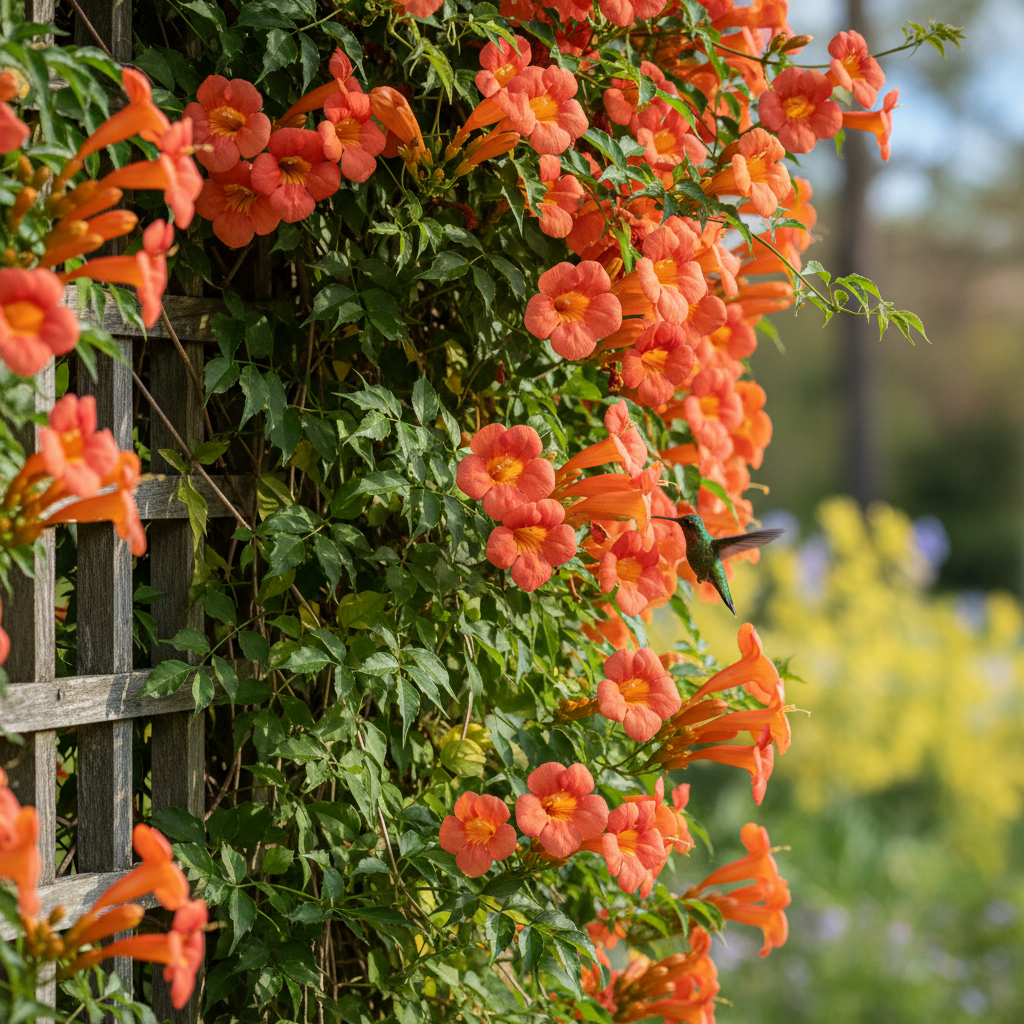
The hummingbirds arrive in March, and Crossvine is ready for them. While the rest of the spring garden is still waking up, this semi-evergreen native vine erupts in clusters of large, trumpet-shaped flowers — rich orange-red with yellow throats — precisely timed to meet the ruby-throated hummingbird's first day back in Louisiana. It climbs by tendrils to 50 feet, covers fences and tree trunks in a blaze of color, and takes its common name from the cross-shaped pattern revealed when the stem is cut in cross-section. A vine of extraordinary beauty and ecological precision.
Grown and shipped from Big Mamou Enterprises — Bayou Self, Lake Charles, Louisiana.
Botanical Profile
- Botanical Name: Bignonia capreolata
- Family: Bignoniaceae (Trumpet Creeper family)
- Native Range: Southeastern United States from Maryland to Florida and west to Texas; native to Louisiana bottomland forests, bayou margins, and woodland edges
- USDA Hardiness Zones: 5–9
- Mature Size: 30–50 feet; climbs by tendrils
- Bloom Time: March–May; one of the earliest native vines to bloom in the Gulf South
- Sun: Full sun to part shade
- Soil: Moist to dry; adaptable to clay, loam, and sandy soils
- Foliage: Semi-evergreen — holds leaves through mild Louisiana winters
Ecological Role
Crossvine is one of the most important early-season nectar sources for ruby-throated hummingbirds in the Gulf South, blooming precisely when hummingbirds arrive on spring migration. Flowers also support native bees and early butterflies. Dense foliage provides nesting cover for birds. A larval host for the Plebeian Sphinx moth.
Cajun Heritage & Cultural Use
Known in Cajun tradition as liane à croix — cross vine — for the distinctive cross pattern revealed in the cut stem, a marking that did not go unnoticed in a Catholic culture that read meaning into the natural world. Some families called it liane de mars — March vine — for the spring bloom that arrived with the first warm days. In the traiteur tradition, the bark was used as a poultice for headaches and as a wash for skin inflammations. A plant of the threshold — of winter's end, of the hummingbird's return, of the first real warmth of the Louisiana spring.
In the Cajun Heritage Garden
Part of the Heritage Garden collection at Big Mamou Enterprises. Plant at the base of a strong fence, trellis, or large tree in full sun to part shade. Established plants are drought-tolerant and long-lived. Prune after bloom to control size. The hummingbird's first welcome to the Louisiana spring garden — and one of the most beautiful native vines you can grow.