Wildlife Problem? We Can Help.
Humane, professional nuisance wildlife consulting in Southwest Louisiana.

Big Mamou Enterprises
Marsh Mallow — Althaea officinalis | Louisiana Botanical Heritage Digital Guide (PDF)
Marsh Mallow — Althaea officinalis | Louisiana Botanical Heritage Digital Guide (PDF)
Couldn't load pickup availability
Share
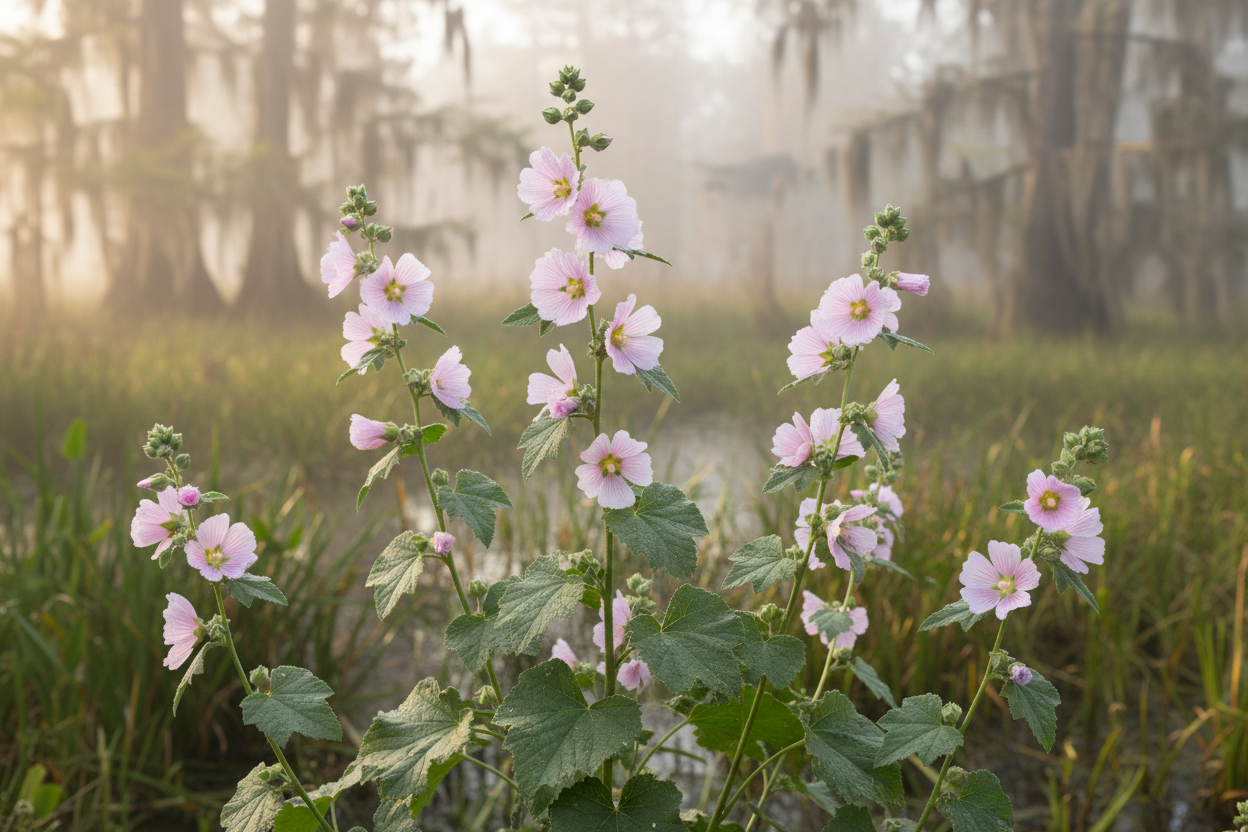
A digital PDF guide exploring Marsh Mallow (Althaea officinalis) through botanical heritage, garden notes, and the story behind its familiar name. No live plant or physical item is included. Shared for cultural, historical, botanical, and horticultural education only.
A familiar name with garden roots
Before marshmallow became the familiar modern confection, its name belonged to a plant. Marsh Mallow connects garden history with the history of confectionery, offering a thoughtful subject for a heritage garden journal or keepsake binder.
Botanical Profile
- Family: Malvaceae (Mallow family)
- Native Range: Europe, Western Asia, and North Africa; naturalized in parts of the Eastern United States
- USDA Hardiness Zones: 3–9
- Mature Size: 3–6 feet tall
- Bloom Time: July–September
- Sun: Full sun to part shade
- Soil: Moist, rich soil; suited to moist garden locations
In the Heritage Garden
Soft pink flowers and velvety leaves give Marsh Mallow a distinctive place among the plants of the mallow family. Explore its form, seasonal changes, and garden setting as part of the botanical storytelling at Big Mamou Enterprises.