Wildlife Problem? We Can Help.
Humane, professional nuisance wildlife consulting in Southwest Louisiana.

Big Mamou Enterprises
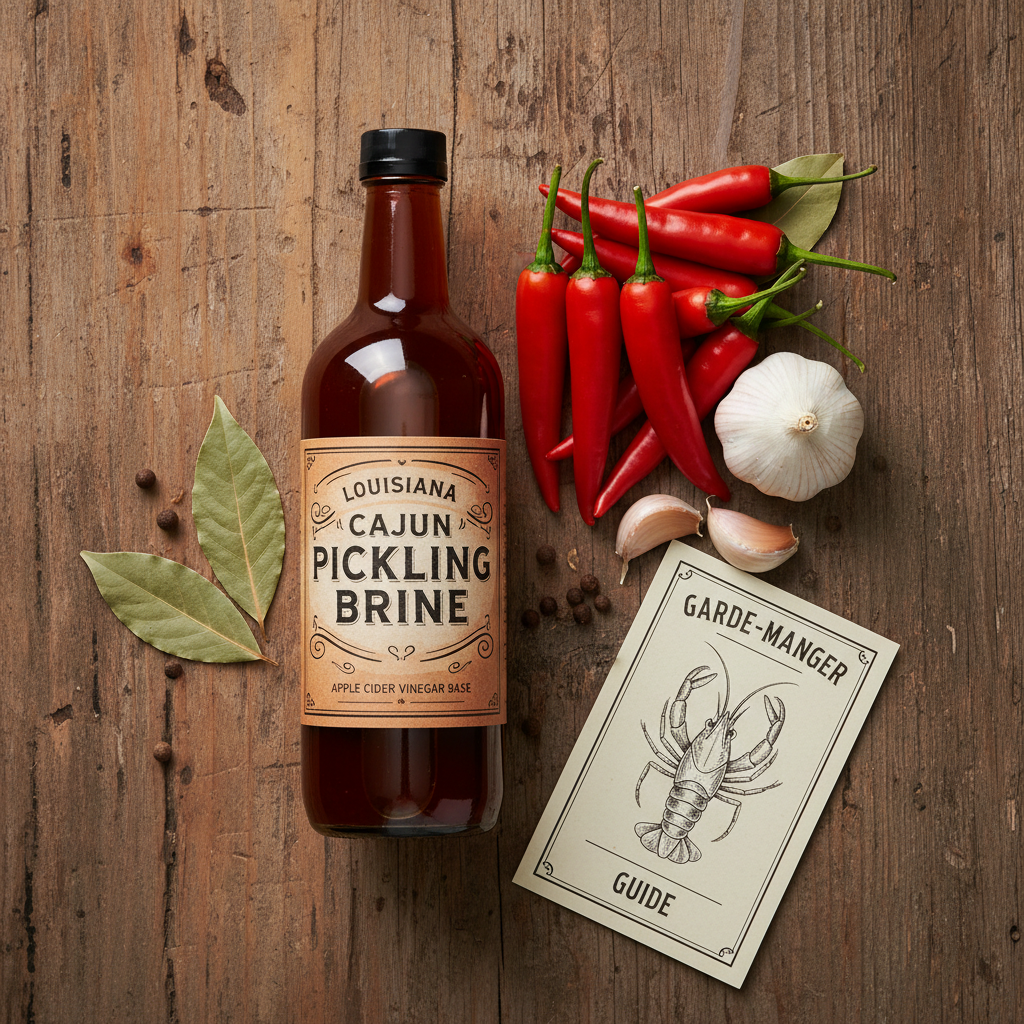
Cajun Pickling Brine — Apple Cider Vinegar Brine, Louisiana Style
Cajun Pickling Brine — Apple Cider Vinegar Brine, Louisiana Style
Couldn't load pickup availability
Share
Cajun Flavor for the Kitchen
Apple cider vinegar meets bay leaf, cayenne, garlic, and allspice in this Louisiana-inspired seasoned brine from Big Mamou Enterprises / CajunInABox.
Available Sizes
Pint (16 fl oz): $18.99 — the size sold on this listing.
Half gallon (64 fl oz): $56.00 — inquiry only, subject to availability and shipping confirmation. This size is not selectable at checkout.
Ask about availability and shipping. Include your size, quantity, and delivery ZIP code.
Handling and Preservation
Consult the product label for the complete ingredient list, handling instructions, and storage directions.
This listing does not provide validated canning recipes, processing times, or shelf-life guidance, and does not establish safety for shelf-stable storage. Do not use it as instructions for preserving vegetables, seafood, or other foods.
For home preservation, consult current USDA or National Center for Home Food Preservation guidance and a qualified food-preservation specialist.