Wildlife Problem? We Can Help.
Humane, professional nuisance wildlife consulting in Southwest Louisiana.


Big Mamou Enterprises
Boneset — Herbe a Fievre (Eupatorium perfoliatum) | Louisiana Botanical Heritage Digital Guide (PDF)
Boneset — Herbe a Fievre (Eupatorium perfoliatum) | Louisiana Botanical Heritage Digital Guide (PDF)
Couldn't load pickup availability
Share
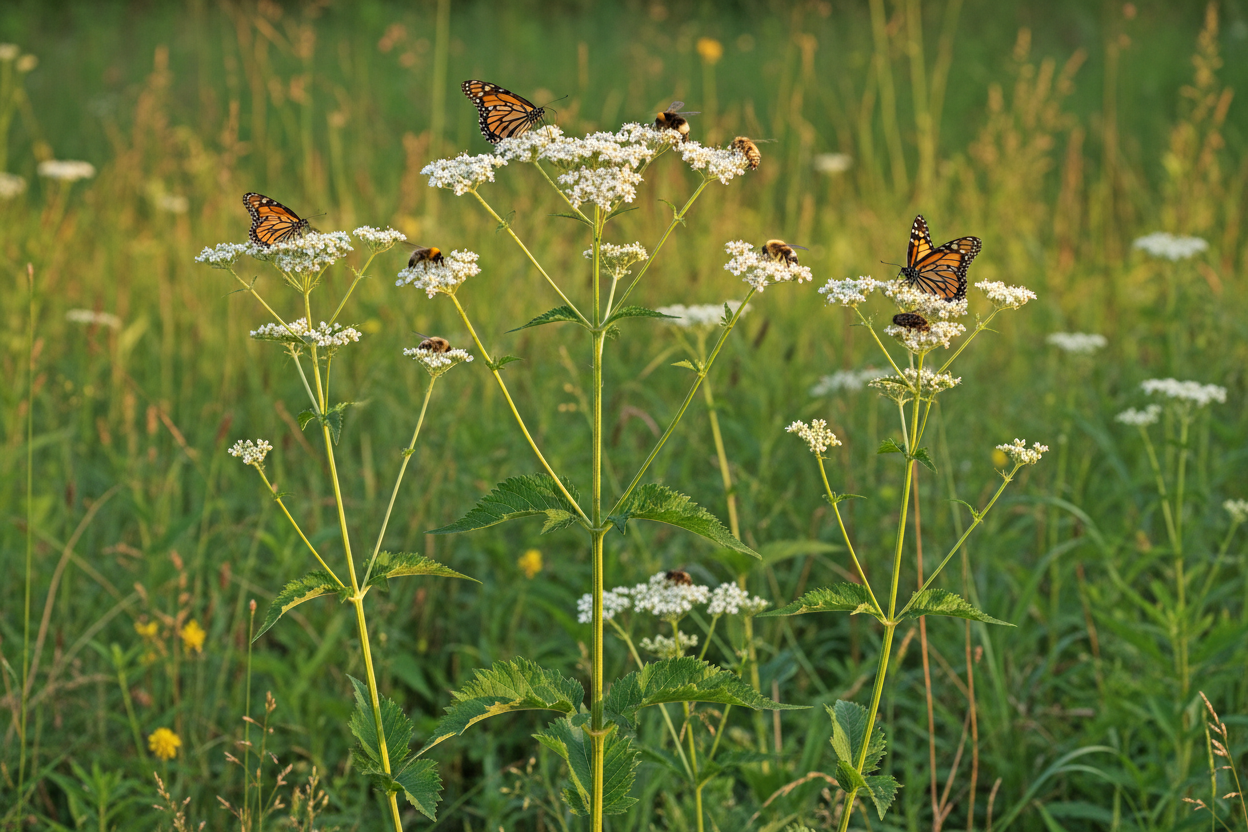
A bilingual Cadien-and-English digital keepsake celebrating Boneset — Herbe a Fievre (Eupatorium perfoliatum) as part of Louisiana's living botanical heritage. This printable PDF pairs the plant's cultural and historical folklore — including its 19th-century American plant history and its place in bayou-edge tradition — with Cadien garden storytelling and Traiteur notes, shared for cultural, historical, and horticultural education only.
Inside: bilingual heritage and Traiteur notes, and an illustrated look at the plant's three life stages — from first leaves to a flat-topped cluster of white autumn blooms.
Delivered instantly as a downloadable PDF. Print at home for your garden journal, kitchen wall, or keepsake binder.
Free bonus: download a deeper historical companion essay on Boneset & the Traiteur tradition here: Boneset Historical Companion (free PDF).